- 3.PEAK
- 3M
- ARALDITE
- BAHCO
- BONDHUS
- BOSCH
- BOSUN
- CHANNELLOCK
- CLIPSAL
- DORMA
- ENERGIZER
- EVEREADY
- EYE BRAND
- Fluke
- G TECH
- HANLONG
- HIOKI
- HOZELOCK
- IRWIN
- JACKLY
- KEIBA
- KING TONY
- KINGS
- KOBELCO
- KTC
- LENOX
- LOBSTER
- LOCTITE
- LPS
- M10
- MAKITA
- MARS
- MCC
- MITUTOYO
- MK ELECTRIC
- MTC
- NACHI
- NELON
- NITTO KOHKI
- NT CUTTER
- OPT
- OREX
- OSRAM
- PHILIPS
- PNEUMAX
- POWERPAC
- PRESTAR
- RONG YUNN
- SANWA
- SCHNEIDER
- SELLERY
- Selleys
- SHINTO
- SHINWA
- SHOWY
- SKC
- SOUNDTECH
- STANLEY
- STAR M
- SUNFLAG
- supertools
- TAJIMA
- TOKU
- ULTRA
- UNI T
- UNION
- V-TECH
- VESSEL
- WD40
- WESSBOND
- YALE
- ZEBRA
Sale
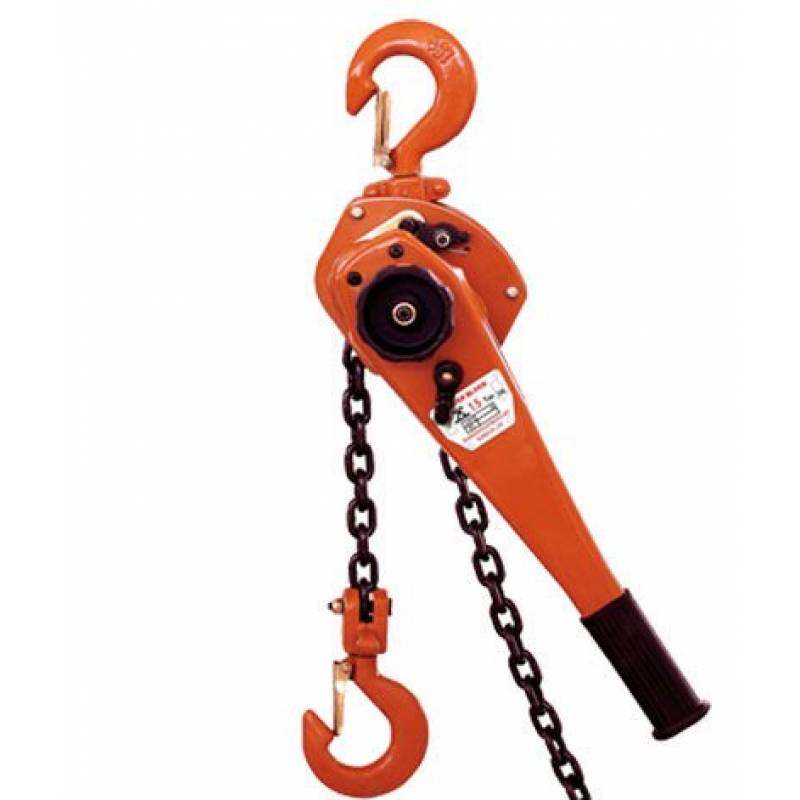
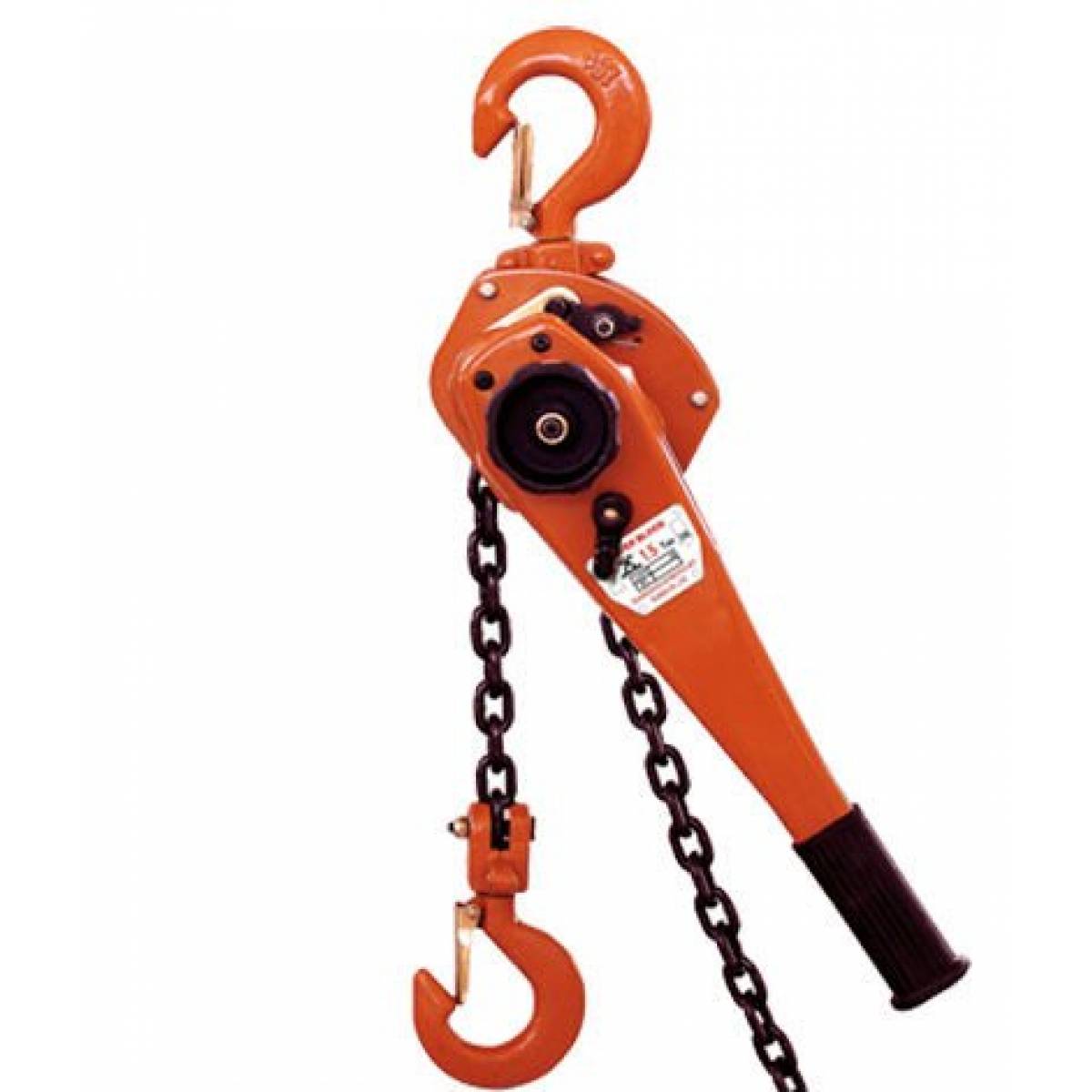
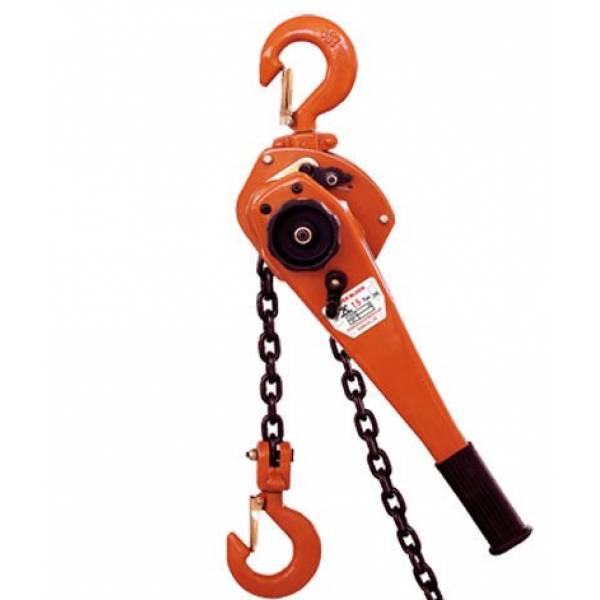
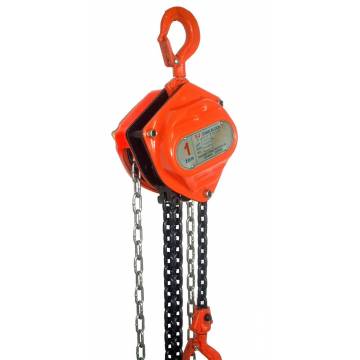
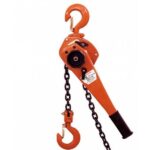
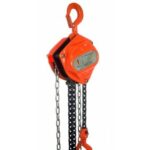
Warrior Lever Block 0.75T x 1.5Mtr
Original price was: $60.00.$18.00Current price is: $18.00.
69
People watching this product now!
Description
Lever hoists are portable devices used to manually lift, lower or pull a load. A lever hoist can also be used for tensioning. | Lever hoists have the advantage of being able to lift in most positions, including horizontally, whereas chain blocks and chain hoists can only be used vertically. | All Lifting supplies two kinds of lever blocks – fitted with chain for lifting, or wire rope for lashing and pulling a load. | The lever hoist has a handle (or lever), attached to a block which houses an internal gear system and ratchet, along with either: a length of load chain which travels over the internal gear, or a length of wire rope which runs through a pulley. | The lever hoist works by cranking the lever up and down to power the ratchet and pawl system, which move the load a set distance per crank. | For both chain and wire rope types, the direction of the internal gear can be easily switched, to move the load up or down as needed. | There is a hook on the end of the load chain/cable for easy attachment to a load, and a hook attached to the housing of the lever block for attachment to a secure support (e.g. steel beam). |